Cartesia Sonic-3.6 ranks #1 on both Artificial Analysis speech leaderboards with sub-90ms latency. Here's what HK video creators need to know.
Cartesia Sonic-3.6 hit #1 on both Artificial Analysis speech leaderboards with sub-90ms latency — faster and more natural than ElevenLabs. Here's what it means for Hong Kong creators producing voiceovers, dubbing, and audio content.
What's New in Sonic-3.6
Sonic-3.6 is the latest version of Cartesia's real-time text-to-speech model, released roughly three months after Sonic-3.5. The headline improvement is naturalness — and this one is independently verifiable.
The model now holds 1,283 Elo on the Provider Voice board and 1,123 on the Controlled Voice board on Artificial Analysis. The Controlled Voice result is the more meaningful metric: every model is cloned onto the same eight reference voices, isolating the synthesis engine from the voice catalog. Sonic-3.6 leads it outright, with Sonic-3.5 in second place and ElevenLabs Eleven v3 in third.
That means the model's architecture — state space models rather than transformers — is delivering genuinely better output, not just better demo voices.
Sub-90ms Latency Changes the Workflow
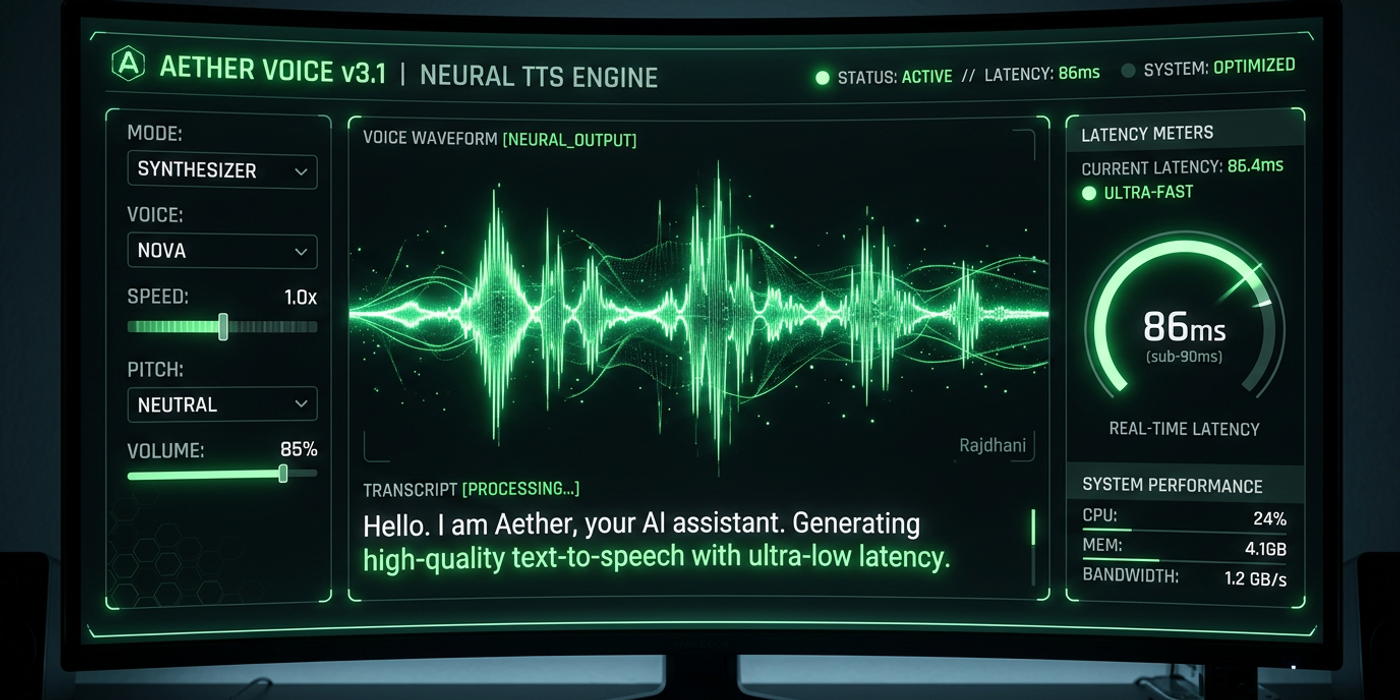
Cartesia states sub-90ms time-to-first-audio for Sonic-3.6. In practical terms, that's fast enough for real-time conversational use cases. For Hong Kong creators producing AI-generated voiceovers, this means no more awkward pauses waiting for audio to render.
Compare this to the ~300-500ms you typically see with transformer-based TTS models. The difference is noticeable in practice: Sonic-3.6 voices feel responsive, almost like a live reading, rather than a pre-rendered file playing back.
What Sonic-3.6 Means for HK Creators
For video producers in Hong Kong, the TTS quality directly impacts the final product. Whether you're dubbing a brand ad for the local market, creating bilingual Cantonese-English explainer videos, or producing audio content for social media, natural-sounding voiceovers make the difference between amateur and professional output.
Sonic-3.6's Controlled Voice leaderboard ranking means the underlying synthesis engine works well across multiple voice types — not just one carefully tuned demo voice. That translates to consistency: the same level of naturalness whether you're using a British English narrator, a neutral American voice, or adding voiceovers to Cantonese-language content.
The model is available via hosted API, with pricing starting at $5/month for the Pro tier and scaling up to $299/month for enterprise Scale tier. There are no open weights and no self-hosted option — it's a commercial service.
Where Sonic-3.6 Fits in Cooly.ai's Voice Toolset
Cooly.ai already offers AI voice generation tools that integrate with video production workflows. Sonic-3.6 adds another option for creators who prioritise naturalness and low latency. Hong Kong brands producing video ads, social media content, and marketing materials on Cooly Studio can pair Sonic-3.6's voice output with AI-generated visuals for a complete end-to-end production pipeline.
The most practical use case for HK creators right now is voiceover production: generate a natural-sounding voice track in Sonic-3.6, import it into Cooly Studio alongside AI-generated video, and export finished content in one go. The sub-90ms latency also makes it viable for interactive applications like AI-brand avatars or real-time dubbing.
The Bottom Line
Sonic-3.6 is a genuine step forward in TTS naturalness, backed by independent leaderboard data rather than vendor claims. For HK creators producing voice-driven content, it's worth testing alongside existing tools to see if the quality difference justifies the switch.
Frequently Asked Questions
Q: Is Cartesia Sonic-3.6 free to use? A: No, it's a commercial API service. Pricing starts at $5/month for the Pro tier, with higher tiers for scaleups and enterprises.
Q: Can I use Sonic-3.6 for commercial video voiceovers? A: Yes, the commercial API tiers allow commercial use. Check the specific license for your use case.
Q: Does Sonic-3.6 support Cantonese or Chinese languages? A: Cartesia supports multiple languages, but verify the current language list on their documentation page. English output quality is the primary benchmark.
Q: How does Sonic-3.6 compare to ElevenLabs for HK creators? A: Sonic-3.6 now leads ElevenLabs Eleven v3 on the Controlled Voice leaderboard, meaning its synthesis engine produces more natural output across reference voices.
Q: Can I try Sonic-3.6 before buying? A: Yes, it's available in beta. Cartesia provides free trial access through their hosted API.
Q: Does Cooly.ai integrate with Cartesia Sonic-3.6? A: Cooly.ai offers AI voice generation tools for video production. Sonic-3.6 output can be imported into Cooly Studio workflows alongside AI-generated visuals.