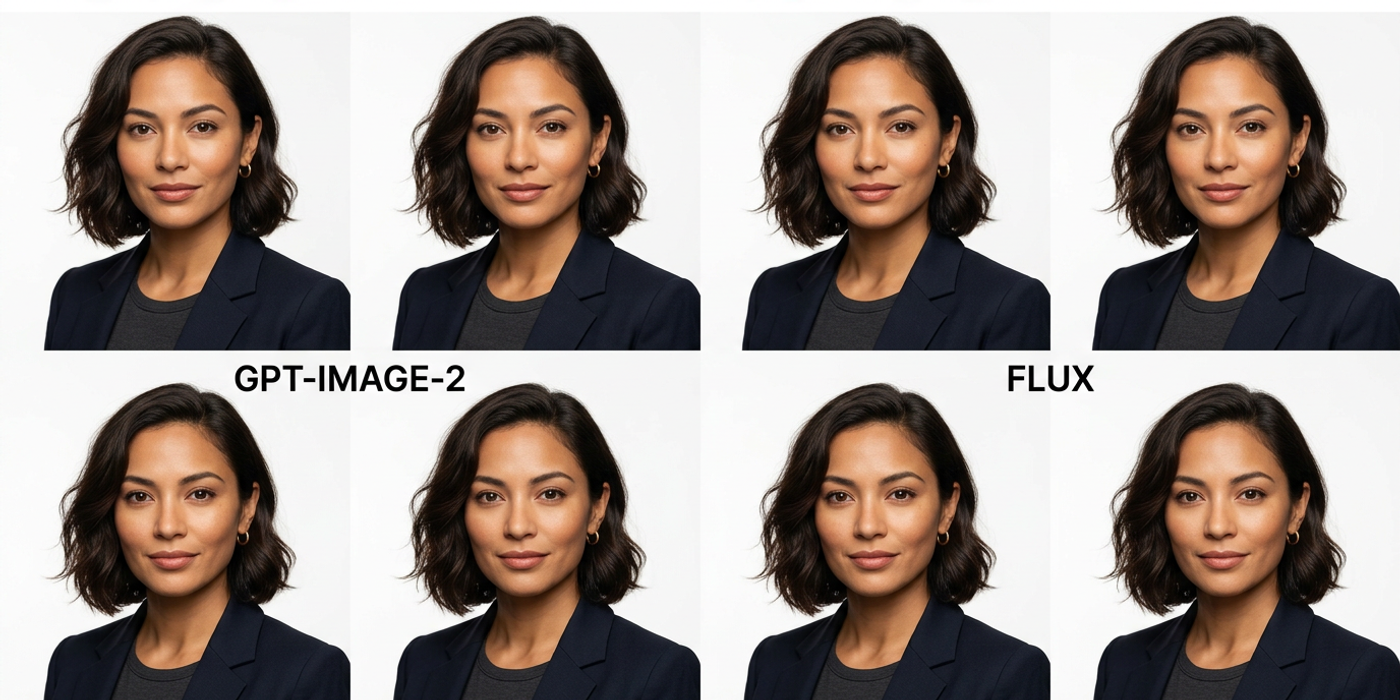
Compare Seedream 4.5, Nano Banana 2, GPT-Image-2, and FLUX for character consistency across AI models — practical workflows for HK creators in late 2026.
Hong Kong creators producing multi-image campaigns face a familiar problem: the same character looks different in every AI generation. In late 2026, four major models—Seedream 4.5, Nano Banana 2, GPT-Image-2, and FLUX—each handle character consistency differently. Some use reference images, others build internal character profiles, and a few rely on prompt engineering alone. Here is a model-by-model breakdown of what works, what doesn’t, and how to choose the right approach for your next campaign.
Seedream 4.5 — Best for Native Reference
Seedream 4.5 remains the strongest choice for creators who need reliable face consistency with minimal setup. Its Character Reference Mode accepts one or more reference images and extracts facial structure, hair, and clothing details before generation. The output preserves these traits across poses, backgrounds, and lighting conditions.
The key advantage is consistency across multiple outputs from the same prompt-reference pair. Seedream 4.5 generates four variants per run, and all four typically share the same face and outfit. For Hong Kong product campaigns requiring five to ten consistent hero shots, this translates to roughly two to three API calls instead of manual retouching on every image.
The limitation is full-body control. Seedream 4.5 focuses on the face and upper body. If your character wears a specific outfit from head to toe, the model may introduce variations in pants, shoes, or accessories. For brands running fashion or lifestyle campaigns, this means using Seedream for headshots and close-ups, while relying on a second tool for full-body shots.
Nano Banana 2 — Full-Body Consistency Champion
Nano Banana 2 addresses the full-body gap with its multi-dimensional character profile. Instead of extracting just the face, it builds a profile that includes body proportions, clothing silhouette, and colour palette. This makes it the best choice for Hong Kong e-commerce brands that need the same model wearing different outfits across a catalogue.
The trade-off is specificity. Nano Banana 2’s broader profile means facial features are slightly less precise than Seedream 4.5’s dedicated face extraction. For a jewellery campaign where the model’s face is the focal point, Seedream wins. For a fashion catalogue where the model’s body shape and outfit consistency matter more than perfect facial recall, Nano Banana 2 is the better pick.
Nano Banana 2 also supports batch generation with consistent character parameters, making it practical for producing twenty to thirty catalogue variations in a single session.
GPT-Image-2 — Style Reference, Not Face Reference
GPT-Image-2 takes a fundamentally different approach. Instead of extracting a character’s face, it uses style-reference images to guide the overall aesthetic—lighting, texture, colour palette, and composition. This means GPT-Image-2 is not the right tool for strict face consistency across multiple generations.
What it excels at is stylistic consistency. If your campaign needs the same visual mood—cinematic lighting, specific colour grading, a consistent background aesthetic—across multiple characters, GPT-Image-2’s style reference mode delivers that with high fidelity. For Hong Kong brands producing environmental lifestyle imagery where the atmosphere matters more than character identity, this is often the better choice.
GPT-Image-2 also pairs well with other models. Generate your character with Seedream or Nano Banana, then use GPT-Image-2’s style reference to harmonise lighting and colour across the campaign.
FLUX — Open-Source Flexibility via IP-Adapter
FLUX models, particularly Flux Schnell and Flux Pro, offer the most flexible character consistency through third-party tooling. IP-Adapter injects a reference character’s image features directly into the generation process without LoRA training. This works with ComfyUI on local hardware, so the character consistency pipeline runs entirely on your machine with zero ongoing API costs.
IP-Adapter’s strength is control. You can adjust the reference strength from zero to one, dialling in exactly how much the character image influences the output. At higher strengths, facial features are nearly identical to the reference. At moderate strengths, the character’s general appearance is preserved while the model has creative freedom with pose and expression. This makes FLUX plus IP-Adapter the best option for agencies experimenting with character variations in different scenarios.
The downside is setup time. Running ComfyUI with IP-Adapter requires a local GPU or a cloud instance, and the initial configuration takes about twenty to thirty minutes. For agencies producing character content daily, the setup cost is quickly amortised.
Decision Framework for HK Creators
Choose your character consistency workflow based on output type:
• Close-up portraits with consistent faces: Seedream 4.5 Character Reference Mode. • Full-body fashion or product shots: Nano Banana 2 Consistent Character Pipeline. • Multi-character scenes with consistent style: GPT-Image-2 style reference for lighting and colour. • Maximum control with no API costs: FLUX plus IP-Adapter via ComfyUI. • Mixed campaign with multiple output types: Seedream for hero shots, Nano Banana for catalogue variants, GPT-Image-2 for final colour harmonisation.
Frequently Asked Questions
Q: Which model has the most accurate face consistency in 2026? A: Seedream 4.5 offers the most reliable face extraction for close-up portraits. Nano Banana 2 is slightly less precise on faces but significantly better on full-body consistency.
Q: How many reference images should I upload for best results? A: One high-quality front-facing shot works for most models. Adding a side profile improves accuracy for Seedream 4.5 and Nano Banana 2.
Q: Does GPT-Image-2 support character reference like Seedream? A: No. GPT-Image-2 uses style reference for visual mood and composition, not face or body extraction. Use it for aesthetic consistency across characters rather than character identity preservation.
Q: What is the most cost-effective character consistency setup? A: FLUX plus IP-Adapter through ComfyUI runs locally for zero API costs. For production speed at scale, Seedream 4.5’s API is the most cost-effective paid option.
Q: Can I use character consistency for video generation too? A: Veo 3.1 and Kling 3.0 accept reference images for consistent character video generation, though the feature is less mature than image-based tools.
Q: How do I maintain character consistency across a campaign using different models? A: Generate the character’s core appearance in one model (e.g., Seedream 4.5), then use GPT-Image-2’s style reference to harmonise lighting and colour across outputs from different tools.
Q: Does character consistency work with Cantonese-language content? A: Yes. Reference-based character generation is language-agnostic and works equally well with Cantonese, English, and Mandarin campaign assets.